A stroke can change a person’s life in an instant. From physical movement and communication difficulties to changes in cognitive ability and emotional wellbeing, the impact can be significant for both the individual and their family.
One of the first questions we hear from stroke survivors is: “How long will recovery take?”
The honest answer is that every stroke rehabilitation journey is different. Recovery can take weeks, months, or even years depending on a range of factors, including the severity of the stroke, the area of the brain affected, and how quickly rehabilitation begins.
The good news is that stroke rehabilitation can make a significant difference. With the right physiotherapy support, occupational therapy, speech and language therapy, and ongoing rehabilitation, many stroke survivors achieve meaningful improvements in movement, independence and quality of life.
At Flex Health, our specialist stroke rehabilitation physiotherapists support patients throughout every stage of recovery, helping them regain confidence, rebuild function and maximise their independence.
What Is Stroke Rehabilitation?
Stroke rehabilitation is a structured programme of therapy and treatment designed to help stroke survivors recover physical, cognitive and communication skills that may have been affected by the stroke.
A stroke occurs when the blood supply to part of the brain is interrupted. Depending on which area of the brain is affected, this can impact:
- Movement and muscle strength
- Balance and coordination
- Hand function and dexterity
- Communication and speech
- Cognitive ability
- Memory and concentration
- Emotional wellbeing
- Daily living activities
The aim of rehabilitation is to help the person recover as much function as possible, while learning strategies to manage any ongoing limitations.
When Should Stroke Rehabilitation Begin?
Current clinical guidelines and evidence suggest that rehabilitation should begin as soon as possible, once the patient is medically stable.
In many cases, rehabilitation starts in hospital within days of the stroke occurring.
Early intervention is vital because the brain is often most responsive to rehabilitation during the initial stages of recovery.
Early therapy sessions can help:
- Improve movement
- Reduce complications
- Maintain muscle strength
- Support communication
- Promote independence
The sooner appropriate rehabilitation begins, the greater the opportunity for recovery.
How Long Does Stroke Recovery Take?
There is no fixed timeline for stroke recovery.
Some stroke survivors make rapid progress within a matter of weeks, while others continue to benefit from rehabilitation for months or years to come. Recovery is typically described in phases:
1. The First Few Weeks
During the first few weeks following a stroke, improvements can occur quickly as swelling within the brain reduces and the body begins to recover.
Therapy during this stage focuses on:
- Basic mobility
- Sitting balance
- Standing and walking
- Hand and arm movement
- Communication skills
- Safe transfers
For many patients, this stage takes place within hospital or specialist stroke rehabilitation physiotherapy settings.
2. The First Three to Six Months
Research consistently shows that the greatest recovery often occurs within the first three to six months.
This is when intensive rehabilitation can have a particularly big impact.
During this phase, rehabilitation focuses on:
- Increasing muscle strength
- Improving balance
- Restoring movement
- Enhancing communication
- Rebuilding confidence
- Developing independence in daily living activities
Many stroke survivors move from inpatient rehabilitation to outpatient rehabilitation or specialist stroke rehabilitation physiotherapy services during this period.
3. Beyond Six Months
One of the biggest misconceptions about stroke recovery is that improvement stops after six months.
This is simply not true. The brain continues to adapt through a process known as neuroplasticity, where new neural connections are formed and undamaged areas of the brain take over functions from damaged areas.
Many stroke survivors continue to make meaningful progress years after their stroke with the right rehabilitation plan.
At Flex Health, we regularly work with individuals who achieve further improvement long after their initial hospital discharge.
What Factors Affect Recovery Time?
Several factors influence how long rehabilitation may take.
1. Severity of the Stroke
Generally speaking, larger strokes tend to require longer rehabilitation.
However, severity alone does not determine outcomes. Two people with similar strokes can have very different recovery journeys.
2. Area of the Brain Affected
Different areas of the brain control different functions.
For example:
- Some strokes primarily affect movement
- Others impact speech and communication
- Some influence memory, cognition or behaviour
Understanding which area of the brain has been affected helps clinicians determine the most appropriate rehabilitation plan and therapy interventions.
3. Age and General Health
While stroke can affect adults of any age, overall health, fitness, and medical history can influence recovery.
Existing health conditions may affect rehabilitation progress, but age alone should never be viewed as a barrier to improvement.
4. Intensity of Rehabilitation
Evidence suggests that more intensive rehabilitation often leads to better outcomes.
Regular physiotherapy, occupational therapy, speech therapy, and structured exercise programmes help maximise a patient’s recovery potential.
5. Motivation and Support
Recovery is rarely achieved alone.
Family, caregivers, healthcare professionals, and community support all play an important role in helping stroke survivors stay engaged with rehabilitation.
The Role of Physiotherapy in Stroke Rehabilitation
Physiotherapy is one of the most important components of stroke rehabilitation.
Following a stroke, many patients experience:
- Muscle weakness
- Reduced balance
- Altered movement patterns
- Loss of coordination
- Reduced mobility
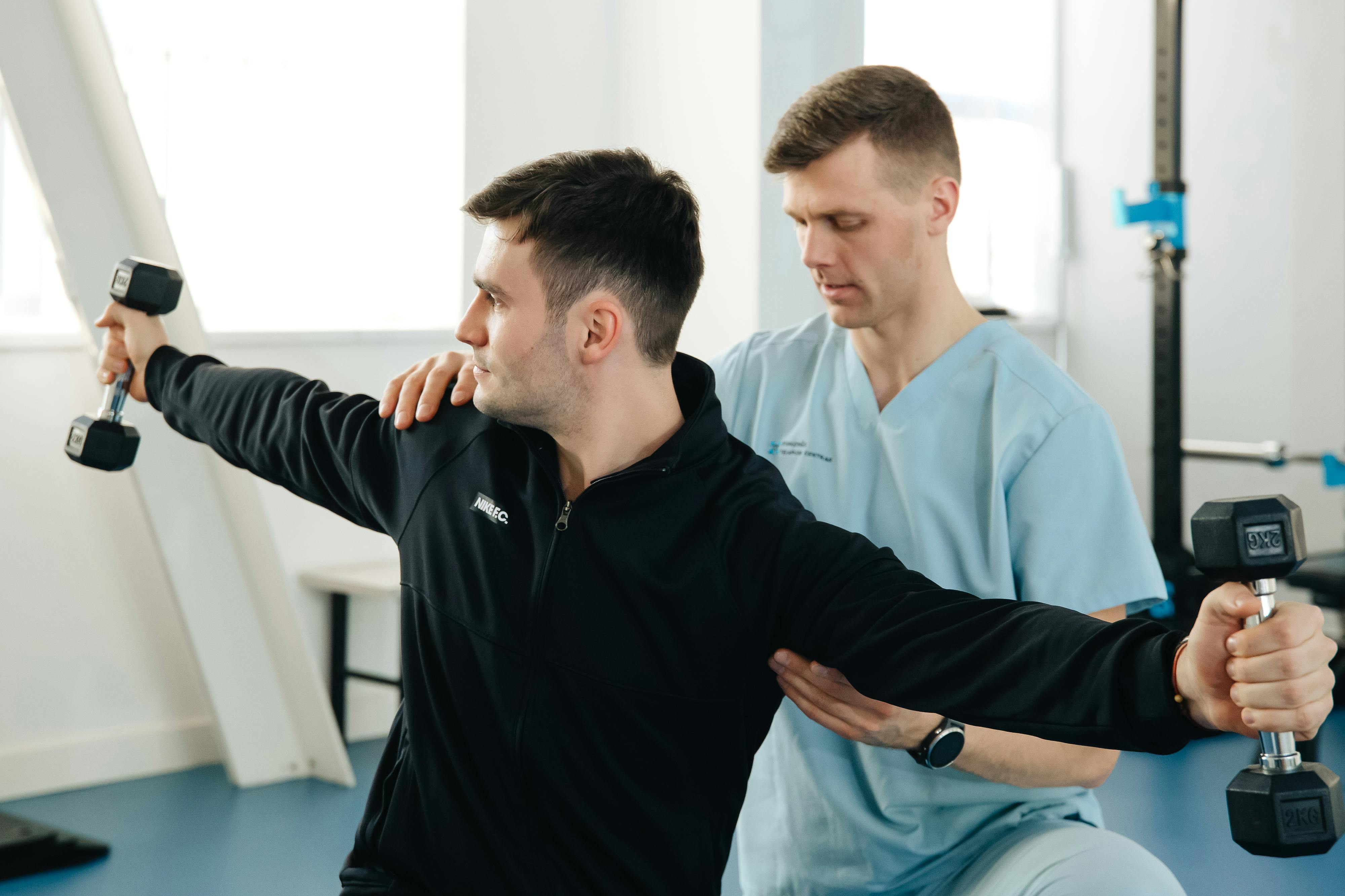
Specialist stroke rehabilitation physiotherapy focuses on helping patients regain movement and improve physical function.
Individualised treatment plans may include:
- Strength training
- Balance exercises
- Walking practice
- Movement re-education
- Functional task practice
- Functional electrical stimulation
- Range of movement exercises
At Flex Health, every rehabilitation journey plan is tailored to the individual, ensuring therapy focuses on meaningful goals that improve everyday life.
Why a Multidisciplinary Approach Matters
Stroke rehabilitation is most effective when delivered through a multidisciplinary therapy approach.
This often involves:
- Physiotherapists
- Occupational therapists
- Speech and language therapists
- Rehabilitation medicine specialists
- Nurses
- Doctors
- Community rehabilitation teams
Working together ensures every aspect of recovery is addressed.
At Flex Health, we work closely with wider healthcare teams to provide coordinated rehabilitation support focused on achieving the best possible outcomes for our patients.
How Flex Health Supports Stroke Recovery
Our specialist stroke rehabilitation services are available through our Hull and Sheffield clinics, as well as through home visits where appropriate.
We support stroke survivors with:
- Comprehensive assessment
- Personalised rehabilitation plans
- One-to-one physiotherapy sessions
- Balance and mobility training
- Strength and movement rehabilitation
- Functional electrical stimulation
- Home-based rehabilitation support
- Guidance for family members and caregivers
Our focus is always on helping individuals maximise their recovery, improve their independence and achieve meaningful improvements in their quality of life.
The Importance of Ongoing Rehabilitation
Recovery does not end when formal hospital treatment finishes.
Many stroke survivors continue to benefit from additional rehabilitation, months and even years after their stroke.
Ongoing therapy can help:
- Improve function further
- Reduce risk of falls
- Increase independence
- Improve physical fitness
- Enhance confidence
- Support long-term wellbeing
At Flex Health, we believe stroke rehabilitation should continue for as long as meaningful progress can be achieved.
Stroke Recovery Is Different for Everyone
Recovery after a stroke is unique to every individual. While many stroke survivors make significant progress during the first six months, improvement can continue for months and even years with the right rehabilitation, support, and guidance.
The key is to start rehabilitation as early as possible, remain consistent, and work with experienced physiotherapists who understand the complexities of stroke recovery.
Start Your Rehabilitation Journey with Flex Health
At Flex Health, our specialist stroke rehabilitation team helps individuals rebuild strength, improve movement, regain independence and maximise their quality of life.
If you or a loved one is recovering from a stroke, book an appointment or contact us today to learn how our personalised stroke rehabilitation services can support your recovery journey.