
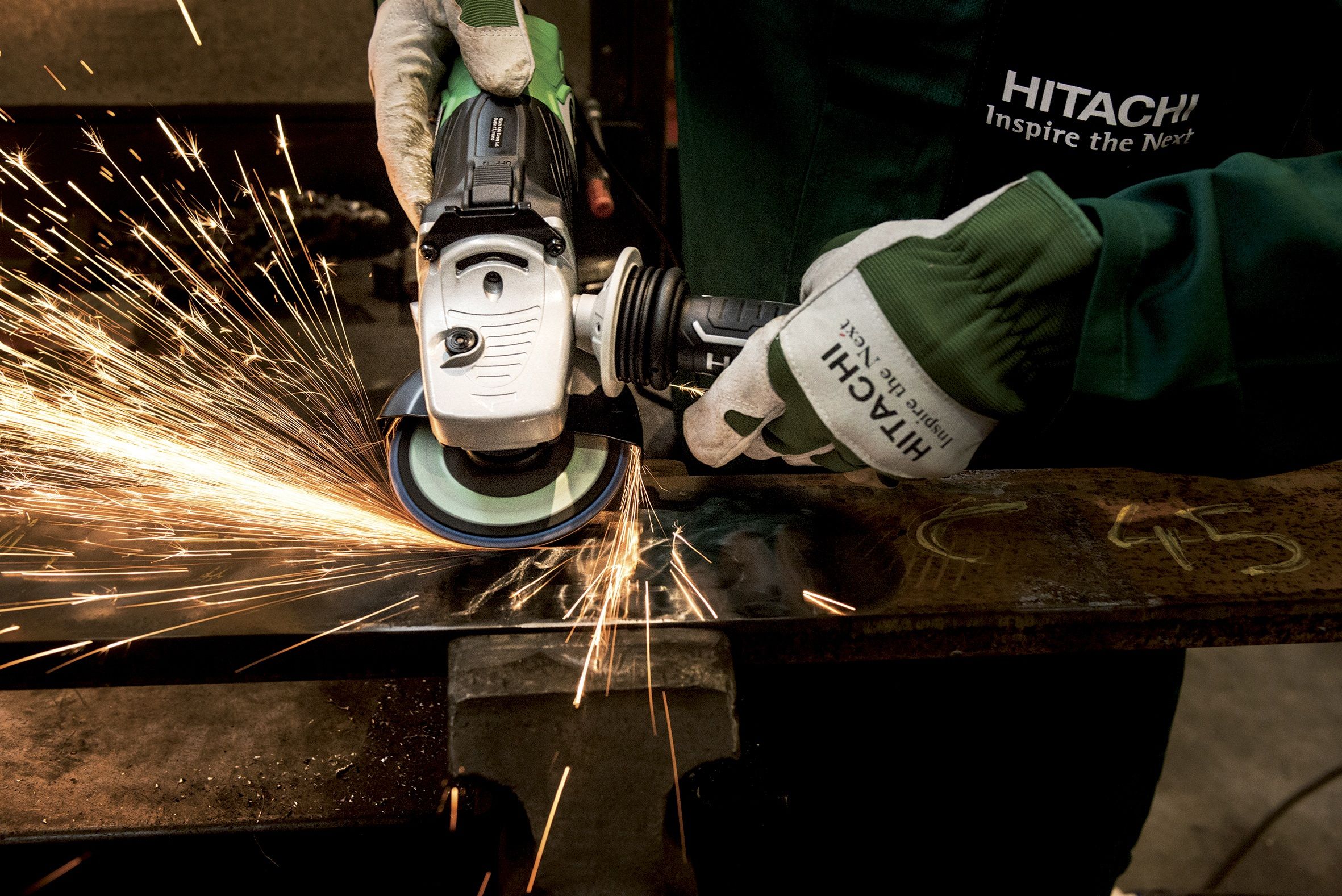
For many employers operating within construction, manufacturing, engineering, utilities, grounds maintenance and other high-risk industries, vibration exposure is an unavoidable part of daily operations. However, prolonged exposure to vibration can have serious consequences for employees’ health and wellbeing, if not properly managed.
Hand-Arm Vibration Syndrome (HAVS) remains one of the most common occupational diseases affecting workers who regularly use hand-held vibrating tools and equipment. Despite being preventable, HAVS continues to affect thousands of workers across the UK each year.
For employers, understanding HAVS Assessments, legal requirements, and workplace responsibilities is essential. Not only does effective Occupational Health Surveillance help protect workers, but it also supports compliance with the Control of Vibration at Work Regulations 2005, and reduces the risk of long-term health problems developing within the workforce.
At Flex Health, we deliver nationwide HAVS Assessments and Health Surveillance programmes, helping organisations identify risk early, protect employees and maintain compliance with current regulations.
What Is HAVS?
Hand-Arm Vibration Syndrome (HAVS) is a permanent and progressive occupational disease caused by repeated exposure to hand-arm vibration.
HAVS develops when vibration generated by hand-held vibrating tools and vibrating equipment damages the blood vessels, nerves, muscles and joints within the hands and arms.
Common symptoms include:
- Tingling and numbness in the fingers
- Reduced grip strength
- Loss of manual dexterity
- Pain in the hands and arms
- Reduced blood flow to the fingers
- Sensitivity to cold
- Vibration white finger- symptoms similar to Raynaud’s phenomenon
- Carpal tunnel syndrome
Importantly, HAVS is irreversible once established. Early detection through Occupational Health Surveillance is therefore essential to prevent progression and minimise long-term harm.
Why Are HAVS Assessments a Legal Requirement?
Under the Control of Vibration at Work Regulations 2005, employers have a legal duty to assess, manage and reduce exposure to vibration within the workplace.
The regulations require employers to:
- Carry out a suitable risk assessment
- Identify workers exposed to vibration
- Implement risk control measures
- Reduce exposure where reasonably practical
- Provide Health Surveillance, where appropriate
- Ensure employees receive information, training and guidance
The Health and Safety Executive (HSE) makes it clear that where workers face significant risk from vibration exposure, Health Surveillance is required.
However, this is not simply a compliance exercise. HAVS Assessments play a vital role in protecting employees health, identifying early signs of occupational disease and preventing long-term disability.
Exposure Action Value vs Exposure Limit Value
One area that often causes confusion for employers is the difference between Exposure Action Values (EAV) and Exposure Limit Values (ELV).
These values are used to determine when employers must take action, and when exposure becomes unacceptable.
1. Exposure Action Value (EAV)
The Exposure Action Value is: 2.5 m/s² A(8)
When employees reach or exceed this daily exposure level:
- Employers must carry out a Vibration Risk Assessment
- Health Surveillance should be implemented, where appropriate
- Exposure should be reduced as far as reasonably practical
- Control measures should be reviewed
Reaching the EAV does not mean work must stop altogether, but it does trigger employer responsibilities.
2. Exposure Limit Value (ELV)
The Exposure Limit Value is: 5 m/s² A(8)
This represents the maximum legal limit for daily exposure.
Employers must ensure workers do not exceed the ELV.
If exposure approaches or reaches the ELV, immediate action is required to reduce vibration exposure and protect workers.
What Does This Mean in Practice?
Employers must calculate or estimate:
- Vibration magnitude
- Trigger time
- Daily exposure
- Cumulative exposure
The HSE HAVS calculator can assist employers in determining individual exposure, and identifying whether workers may be approaching legal limits.
Where uncertainty exists, occupational health advice should be sought.
Understanding the HAVS Assessment Tier System
HAVS Assessments are delivered through a structured Health Surveillance programme designed to identify symptoms at the earliest possible stage.
Tier 1 Assessment:
Tier 1 is the initial screening stage.
Typically used when:
- New employees begin working with vibrating tools
- Existing employees enter a role involving vibration exposure
This involves:
- A baseline health questionnaire
- Assessment of exposure history
- Review of existing symptoms
The aim is to identify any concerns before significant exposure occurs.
Tier 2 Assessment:
Tier 2 Assessments are carried out periodically for workers who remain regularly exposed to vibration.
This stage typically involves:
- Annual questionnaire completion
- Review of symptoms
- Ongoing monitoring
The annual questionnaire helps identify early signs of HAVS before symptoms become more serious.
Tier 3 Assessment:
Where concerns are identified through Tier 1 or Tier 2 screening, a Tier 3 Assessment may be triggered.
This involves:
- Clinical review by an Occupational Health Nurse
- More detailed symptom assessment
- Evaluation of hand function and sensation
- Assessment of vascular and neurological symptoms
The goal is to determine whether further investigation is required.
Tier 4 Assessment:
Tier 4 represents the most detailed stage of the HAVS Assessment process.
This involves:
- Examination by an Occupational Health Physician
- Comprehensive evaluation
- Formal diagnosis, where appropriate
- Recommendations regarding fitness for work and ongoing exposure
This stage is used where symptoms suggest potential HAVS, or where further clinical investigation is required.
What Happens During a HAVS Assessment?
At Flex Health, HAVS Assessments are designed to be straightforward, efficient and minimally disruptive to operations.
Depending on the tier level involved, assessments may include:
- Health questionnaires
- Exposure history review
- Discussion of symptoms
- Assessment of grip strength
- Dexterity testing
- Review of hand function
- Clinical examination where appropriate
All assessments are carried out by trained Occupational Health Professionals.
Our mobile health surveillance units allow us to deliver HAVS Testing directly on-site across the UK, reducing downtime and improving accessibility for employers and employees.
What Do Employers Receive?
Following a HAVS Assessment, employers receive clear and practical reporting designed to support workplace decision-making.
Reports may include:
- Assessment outcomes
- Identification of potential risks
- Recommendations regarding exposure
- Guidance on implementing control measures
- Advice on reducing exposure
- Recommendations for further assessment where appropriate
Our reports are designed to help employers make informed decisions, while protecting workers and maintaining compliance.
Which Industries Face the Greatest Risk?
HAVS risks are particularly common in industries where workers are regularly exposed to vibration.
Examples include:
- Construction
- Engineering
- Manufacturing
- Utilities
- Grounds maintenance
- Forestry
- Rail
- Infrastructure
Employees using:
- Grinders
- Breakers
- Drills
- Compactors
- Chainsaws
- Powered cutting equipment…
…may face increased risk if exposure is not managed effectively.
How Can Employers Prevent HAVS?
Preventing HAVS requires more than Health Surveillance alone.
Employers should focus on:
- Reducing vibration exposure
- Implementing effective control measures
- Using low vibration tools where possible
- Ensuring proper tool maintenance
- Monitoring exposure levels
- Providing training and guidance
- Reviewing risk assessments regularly
When combined with structured Health Surveillance, these measures significantly reduce the likelihood of HAVS developing.
Why Choose Flex Health for HAVS Testing?
At Flex Health, we combine occupational health expertise with practical workplace delivery to provide comprehensive HAVS Testing across the UK.
Our services include:
- Tier 1, 2, 3, and 4 HAVS assessments
- On-site nationwide delivery
- Mobile health surveillance units
- Experienced Occupational Health Clinicians
- Fast reporting and practical recommendations
- Support with compliance and risk management
Our focus is not simply on helping employers meet regulatory requirements, but on protecting workers and supporting healthier workplaces.
Protecting Your Workforce Starts with Early Detection
HAVS is permanent, progressive but entirely preventable.
The earlier symptoms are identified, the greater the opportunity to reduce exposure, prevent further damage, and protect long-term employee health.
Whether you need a new health surveillance programme, support reviewing existing processes, or require nationwide HAVS Testing, our team is here to help.
Speak to Flex Health About HAVS Assessments
If your employees are exposed to vibration at work, now is the time to review your HAVS risks, and ensure appropriate Occupational Health Surveillance is in place.
Contact us today to discuss your HAVS Testing requirements, and learn how our Occupational Health Team can support your organisation with practical guidance, expert advice and nationwide on-site testing.