
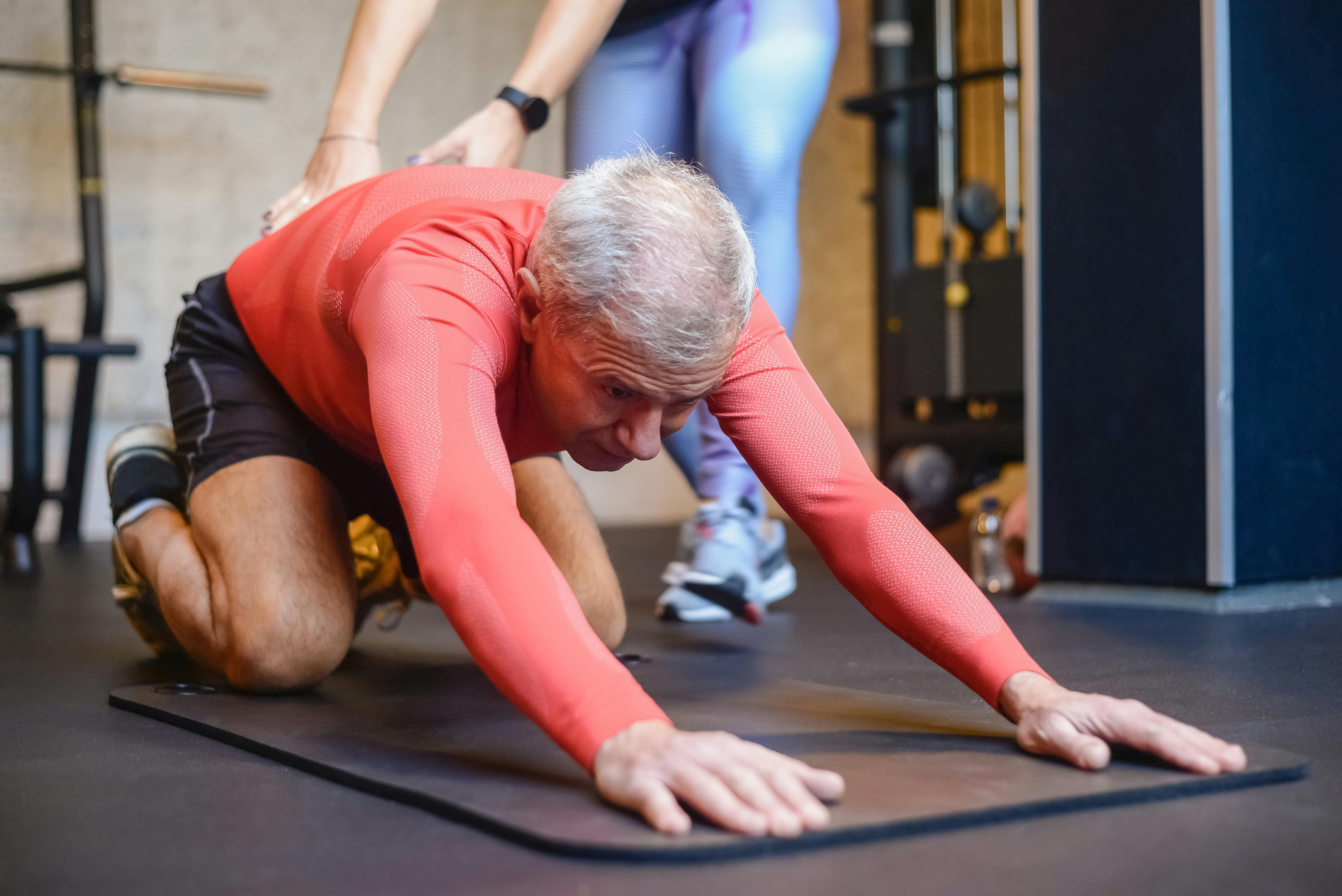
Neurological physiotherapy plays a vital role in helping people regain movement, improve independence, and enhance their quality of life following injury or diagnosis of a neurological condition.
The brain, spinal cord, and peripheral nerves form the central nervous system and are responsible for controlling movement, coordination, balance, posture, sensation and many of the everyday tasks we take for granted. When neurological disorders affect these systems, the impact can be significant, influencing mobility, function, communication and independence.
At Flex Health, our specialist neurological physiotherapists work with patients across Hull, Sheffield, and the surrounding areas, providing personalised rehabilitation programmes designed around individual goals, abilities and recovery potential.
What Is Neurological Physiotherapy?
Neurological physiotherapy is a specialist form of rehabilitation that helps people affected by conditions involving the brain, spinal cord, peripheral nerves and wider nervous system.
Unlike traditional physiotherapy, which often focuses on musculoskeletal injuries, neurological physiotherapy addresses movement difficulties caused by neurological conditions and disorders.
The aim is to improve function, reduce symptoms, enhance mobility and support independence through evidence-based rehabilitation techniques and personalised treatment plans.
At Flex Health, every rehabilitation journey begins with a detailed initial assessment, allowing our experienced team to understand the individual’s specific needs, challenges and goals before creating a tailored treatment plan.
Why Is Specialist Neurological Rehabilitation Important?
Neurological conditions can affect people in very different ways. Two patients with the same diagnosis may experience entirely different symptoms and levels of function.
Depending on the extent of the condition, individuals may experience:
- Difficulties with walking and balance
- Muscle weakness
- Fatigue
- Reduced coordination
- Changes in posture
- Pain and stiffness
- Reduced hand function
- Difficulties with everyday tasks
- Loss of independence
Research consistently demonstrates that targeted rehabilitation can support recovery, improve mobility and help people living with neurological conditions maintain function for longer.
The earlier rehabilitation begins, the greater the opportunity to maximise a patient’s recovery and independence.
1. Stroke Rehabilitation
Stroke remains one of the most common reasons people are referred for neurological physiotherapy.
A stroke occurs when blood supply to part of the brain is interrupted, causing damage that may affect movement, balance, speech, cognition and function.
Our neurological physiotherapy service helps stroke survivors:
- Improve mobility and walking ability
- Increase muscle strength
- Improve balance and coordination
- Rebuild confidence and independence
- Support return to everyday activities
Stroke rehabilitation often involves repetitive movement training and task-specific exercises designed to encourage neuroplasticity – the brain’s ability to adapt and create new pathways following injury.
At Flex Health, we work closely with patients, family members, and wider healthcare teams to support recovery at every stage of the rehabilitation journey.
2. Traumatic Brain Injury and Acquired Brain Injury
Brain injury rehabilitation is another key area of our neurological physiotherapy service.
Whether caused by trauma, illness, surgery, or other neurological events, brain injury can have a profound impact on movement, cognition, communication and independence.
Neurological physiotherapy following a brain injury focuses on:
- Movement re-education
- Improving balance and coordination
- Restoring mobility
- Increasing muscle strength
- Supporting independence
Recovery can continue for months and even years after injury, with rehabilitation playing a crucial role in helping patients achieve their full potential.
3. Multiple Sclerosis (MS)
Multiple Sclerosis is a long-term neurological condition that affects the central nervous system.
Symptoms can vary significantly but often include:
- Fatigue
- Balance difficulties
- Muscle weakness
- Mobility problems
- Reduced coordination
- Pain and stiffness
Physiotherapy for Multiple Sclerosis focuses on helping patients manage symptoms, maintain mobility, and improve their quality of life.
Treatment sessions often include strength training, balance exercises, posture correction, and mobility work designed to help individuals remain active and independent for as long as possible.
4. Parkinson’s Disease
Parkinson’s Disease is a progressive neurological disorder that affects movement, coordination and muscle control.
People living with Parkinson’s often experience:
- Slower movement
- Reduced balance
- Muscle stiffness
- Walking difficulties
- Reduced confidence when moving
Neurological physiotherapy can help manage these symptoms by improving mobility, posture, coordination and functional movement.
Our specialist neurological physiotherapy team works closely with clients to develop personalised treatment plans that focus on maintaining independence and supporting long-term function.
5. Spinal Cord Injury Rehabilitation
A spinal cord injury can have a significant impact on mobility, sensation, muscle control and independence.
Depending on the location and severity of the injury, individuals may experience:
- Muscle weakness
- Loss of movement
- Reduced balance
- Difficulties with transfers and walking
- Pain and fatigue
Neurological rehabilitation following spinal cord injury often involves complex rehabilitation and a multidisciplinary approach.
At Flex Health, we use targeted physiotherapy techniques, specialist neuro equipment, and structured rehabilitation programmes to help patients maximise their recovery and function.
6. Spinal Infection Rehabilitation
Spinal infections can affect the spine, surrounding tissues, and nervous system, often causing pain, swelling, muscle weakness, reduced mobility and difficulties with everyday activities.
Recovery can vary depending on the severity of the infection and the extent to which the spinal cord or surrounding structures have been affected. Neurological physiotherapy focuses on improving movement, restoring strength, reducing physical limitations, and helping patients regain confidence and independence throughout their rehabilitation journey.
At Flex Health, our specialist physiotherapists develop personalised rehabilitation programmes designed to improve mobility, function, and overall quality of life following a spinal infection.
7. Cerebral Palsy
Neurological physiotherapy can also benefit children and adults living with Cerebral Palsy.
Cerebral Palsy affects movement, muscle control, posture, and coordination, often requiring long-term rehabilitation support.
Treatment focuses on:
- Improving balance
- Enhancing mobility
- Increasing muscle strength
- Supporting walking ability
- Promoting independence
At Flex Health, every treatment plan is tailored to the individual’s needs, helping them achieve meaningful improvements in daily life.
8. Huntington’s Disease and Other Neurological Disorders
At Flex Health, we also support patients living with Huntington’s Disease and other neurological disorders that affect movement, coordination and function.
While some neurological conditions are progressive, physiotherapy can still have a significant impact by helping patients:
- Maintain mobility
- Manage symptoms
- Improve quality of life
- Reduce risk of falls
- Remain active and independent
Our aim is always to support long-term wellbeing and maximise function wherever possible.
Our Approach to Neurological Physiotherapy
At Flex Health, we recognise that no two neurological conditions – and no two patients – are the same.
Our neurological physiotherapy service is built around:
- Comprehensive assessment
- Personalised treatment planning
- One-to-one rehabilitation
- Evidence-based physiotherapy techniques
- Ongoing review and progression
We combine specialist expertise with state-of-the-art rehabilitation equipment to support effective treatment and meaningful outcomes.
Depending on the individual’s needs, rehabilitation may involve:
- Functional Electrical Stimulation (FES) and Restorative Therapy Cycling
- Specialist exercise programmes and strength training
- Balance and coordination training
- Walking rehabilitation, including the use of an AlterG Anti-Gravity Treadmill where appropriate
- Posture correction and movement re-education
- Assisted exercise and hoist-supported rehabilitation
- Manual therapy techniques
- Strength, mobility and functional movement exercises
State-of-the-Art Rehabilitation Technology
To support recovery, our neurological physiotherapy team also has access to specialist rehabilitation equipment including an AlterG Anti-Gravity Treadmill, Exercise Assisted Hoist, Restorative Therapy Cycle (FES), Vertimax training system, accessible gym facilities, and sensory-based rehabilitation environments.
We work closely with patients, family members, carers, doctors, occupational therapists and wider healthcare teams to ensure that rehabilitation remains focused on achieving the best possible outcomes.
Supporting Recovery Beyond the Hospital
Neurological rehabilitation does not end when a patient leaves hospital.
Many individuals continue to benefit from outpatient rehabilitation, community-based physiotherapy, home visits, and ongoing specialist support.
At Flex Health, we provide rehabilitation services from our clinics in Hull and Sheffield, and through home-based services, helping patients continue their recovery in environments that support real-world progress.
Do You Need a Referral for Neurological Physiotherapy?
No, in most cases you do not need a referral to access our neurological physiotherapy.
At Flex Health, we accept both referrals from doctors, consultants, and other healthcare professionals, as well as self-referrals. This means you can contact our team directly to arrange an initial assessment with one of our specialist neurological physiotherapists.
If you plan to use private health insurance to fund treatment, it is always worth checking with your provider first, as some insurers may require a referral before authorising physiotherapy treatment.
Helping Patients Regain Independence
Ultimately, the goal of neurological physiotherapy is to help patients regain independence and improve their quality of life.
Whether recovering from a stroke, managing Parkinson’s Disease, living with Multiple Sclerosis, or rehabilitating following a spinal cord injury, specialist neurological physiotherapy can have a profound impact on function, confidence and wellbeing.
Start Your Rehabilitation Journey with Flex Health
At Flex Health, our team is committed to providing expert neurological rehabilitation that helps every individual maximise their potential, improve their independence and achieve meaningful progress.
If you or a loved one would benefit from specialist neurological physiotherapy, book an appointment or contact us today to learn how our experienced team can help you move forward with confidence.