
Occupational Skin Surveillance – Skin Checks for Workers
Skin health is a fundamental part of occupational wellbeing, yet it is often overlooked until symptoms become serious. Many employees work in environments where exposure to chemicals, wet work, skin irritants, or sensitising agents can lead to occupational dermatitis or other skin issues. These conditions, if undetected, can progress to long-term skin disease and impact employees’ quality of life, their ability to work, and legal compliance for employers.
At Flex Health, we provide structured Occupational Skin Surveillance as part of our Occupational Health Services, designed to protect your workforce, support compliance with UK regulations such as COSHH, and give employers actionable insight into workplace skin health risks.
What Is Occupational Skin Surveillance?
Occupational Skin Surveillance is a targeted form of health surveillance focused on monitoring employees whose work may expose them to substances or conditions that can adversely affect the skin. This includes exposure to:
- Sensitising agents
- Skin irritants
- Wet work (frequent hand washing or prolonged glove use)
- Chemicals hazardous to skin health
- Physical agents that damage or irritate skin
The purpose of Occupational Skin Surveillance is to detect early signs of occupational dermatitis, allergic contact dermatitis, and other work related skin disease before they become severe or permanent. This preventative health monitoring supports both employees’ wellbeing, and employer compliance with legal obligations under COSHH and health and safety law.
Who Needs Occupational Skin Surveillance?
Occupational Skin Surveillance is essential where employees are exposed to potential skin health risks in their job role. This typically includes workers:
- Frequently performing wet work
- In contact with substances hazardous to skin
- Handling chemicals or sensitising agents
- Working with cleaners, solvents, acids, or alkalis
- In construction or manufacturing environments
- In healthcare (repeated glove use and disinfectants)
- Using physical agents that affect the skin
- Where substances such as oils, resins, soaps, or latex are routinely used
Typical roles where skin surveillance is recommended:
- Healthcare workers
- Construction operatives
- Cleaners and janitorial staff
- Manufacturing workers
- Laboratory technicians
- Food production staff
- Automotive and engineering staff
If your workforce is handling hazardous substances or regularly exposed to risks that may affect the skin, Occupational Skin Surveillance is a critical part of their health protection.
Determining the Right Frequency for Occupational Skin Surveillance
The appropriate frequency of Occupational Skin Surveillance should be guided by a structured workplace risk assessment and the level of exposure identified. For workers with ongoing exposure, annual skin health monitoring is typically recommended to identify early signs of irritation, sensitisation, or occupational dermatitis. Additional surveillance may be required if symptoms arise, exposure levels increase, control measures change, or new substances are introduced into the workplace.
This structured approach ensures early detection of adverse skin changes, supports effective prevention strategies, and helps employers maintain compliance while protecting employee health.
Get In TouchOur Occupational Skin Surveillance Process
At Flex Health, our Occupational Skin Surveillance service is structured, compliant, and delivered with professionalism and discretion.
1. Workplace Risk Assessment Review
We begin by reviewing your existing workplace risk assessment to identify:
- Substances hazardous to skin health
- Wet work practices
- Potential exposure to sensitising agents
- Existing control measures and personal protective equipment
This stage ensures that occupational skin surveillance is appropriate and determines the required level and frequency of monitoring in line with COSHH regulations and workplace risks.
2. Baseline Skin Health Check
Where significant exposure is identified, new employees undergo a baseline occupational dermatitis screening. This establishes a reference point for future comparisons and ensures early detection of any pre-existing skin issues before workplace exposure progresses.
3. Ongoing Visual Skin Inspections and Health Questionnaires
Regular monitoring forms the core of effective Skin Health Surveillance. During appointments:
- Employees complete a structured annual questionnaire capturing symptoms, exposure history, and protective measures.
- A trained occupational health professional conducts a guided visual skin examination.
- Symptoms such as dryness, redness, cracking, rash, swelling, skin irritation, or skin sensitisation are reviewed and documented.
These regular visual skin inspections allow us to identify early signs of occupational dermatitis or other work related skin disease before they escalate into more serious conditions.
All examinations are conducted respectfully and confidentially, with full regard for employee privacy.
4. Reporting, Advice and Referral
Following each surveillance session, employers receive a clear, comprehensive report outlining:
- Clinical findings and interpretation
- Identified health risks
- Recommendations for exposure control measures
- Advice on personal protective equipment improvements
- Fit-for-work guidance where required
- Referral recommendations if further investigation is necessary
Where higher level health surveillance is indicated, we advise on appropriate next steps, including referral to specialist services such as dermatology.
5. Flexible Delivery – On-Site or Clinic-Based
To ensure accessibility and minimal disruption, Occupational Skin Surveillance can be delivered:
- On-site at your workplace
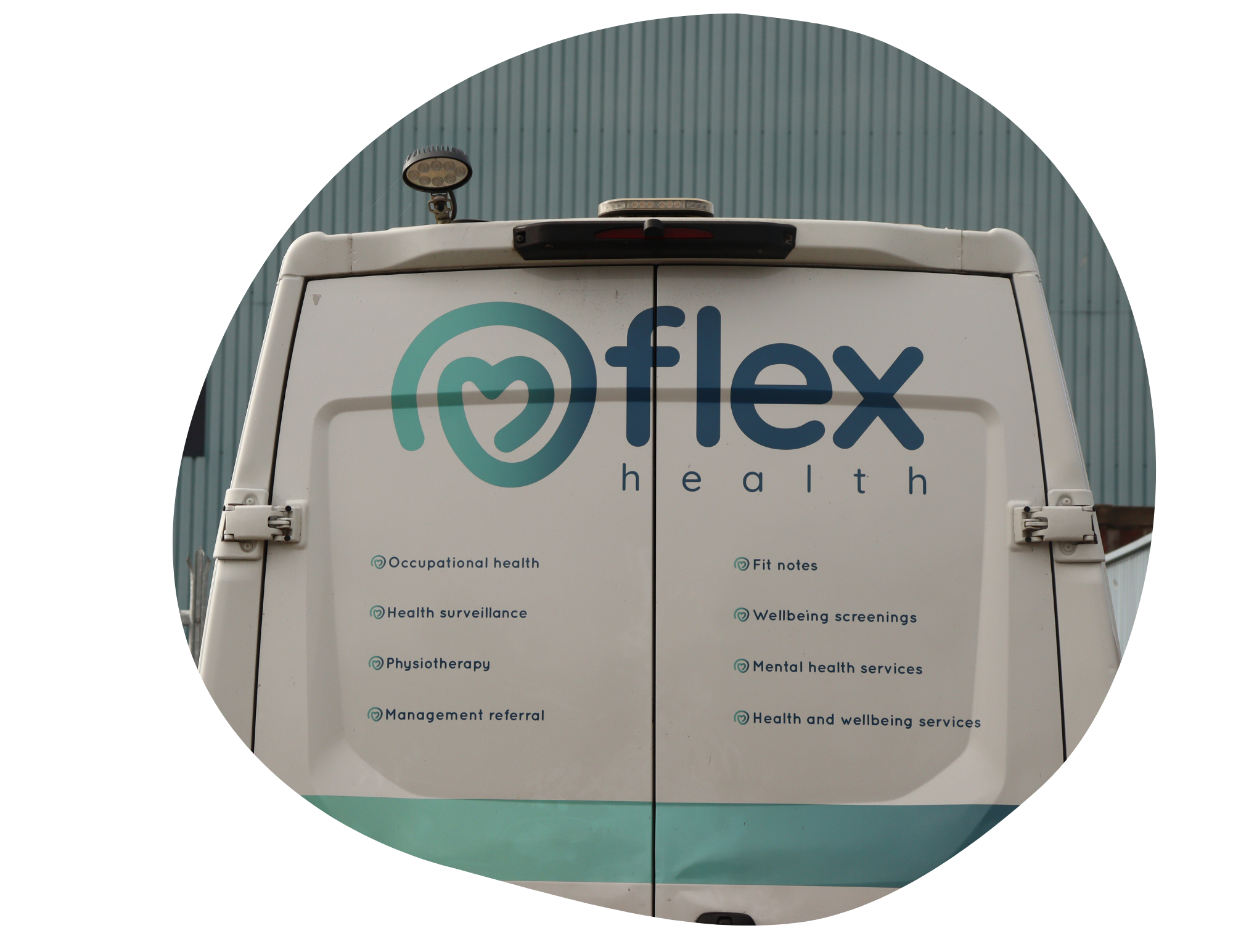
- Via our mobile health surveillance units
- At our clinic locations where appropriate
This approach gives employers flexibility and ensures minimal disruption to normal operations while delivering a professional, confidential service.

Compliance and Standards
Under the UK’s Control of Substances Hazardous to Health (COSHH) regulations, employers must ensure that:
- Potential health risks from hazardous substances are identified
- Suitable control measures are in place
- Health surveillance is provided where required
- Records are maintained appropriately
- Follow-up action is taken when adverse changes are found
Occupational Skin Surveillance forms a key part of compliance when employees are exposed to substances hazardous to skin health.
Our service supports employers in fulfilling these obligations by providing:
- Structured skin health evaluation
- Clear, compliant reporting
- Advice on control measures
- Documentation suitable for legal and health and safety review
Where more complex issues arise, we can advise on referral to specialist services.

Why Early Detection Matters
Work related skin disease, including occupational dermatitis and allergic contact dermatitis, can progress slowly. Early signs may be mild and easily overlooked, but if unmanaged they can lead to:
- Persistent skin damage
- Reduced quality of life
- Increased sickness absence
- Need for job restriction or reassignment
- Longer-term health problems
By detecting early changes in skin health, employers can act swiftly to:
- Improve exposure controls
- Modify tasks and protective equipment
- Provide suitable training
- Reduce risk of long-term disease
- Prevent sensitisation that could otherwise become permanent
Early detection and prevention protect employees’ skin health, strengthen workforce wellbeing, and significantly reduce the risk of occupational skin disease. Occupational Skin Health Surveillance is both a proactive health protection measure, and a critical component of effective risk management.
Supporting Employers and the Workforce
Proactive Occupational Skin Surveillance benefits both employers and employees by:
- Identifying early signs of skin issues
- Supporting prevention through improved control measures
- Demonstrating a commitment to health and safety
- Reducing health risks from hazardous substances
- Improving morale and workforce confidence
We work with a wide range of organisations across the UK to tailor our Occupational Health Skin Surveillance service to specific industrial risks.
Skin problems can occur in any industry where employees are exposed to hazardous substances or physical agents. Our surveillance helps ensure workers stay healthy, productive, and protected.
Frequently Asked Questions
What is Occupational Skin Surveillance?
It’s a health monitoring programme designed to check workers’ skin for early signs of damage caused by exposure to hazardous substances or irritants.
Is Skin Surveillance required by law?
Yes – under COSHH regulations, health surveillance must be provided where workers are reasonably expected to be exposed to substances hazardous to their skin.
How often should skin surveillance be done?
Typically annually, with a baseline check on hire. Frequency may increase if symptoms or higher exposure risks occur.
What industries need skin checks?
Construction, manufacturing, healthcare, food production, cleaning services, laboratories, and any roles involving hazardous substances or frequent wet work.
What happens if an issue is found?
We provide advice, exposure control recommendations, and referral to specialists if appropriate.
Are workplace skin checks confidential?
Yes – individual health data is confidential and documented securely.
Can testing be done on-site?
Yes. We offer occupational skin surveillance near you through on-site or mobile service.
How do I book Occupational Skin Surveillance?
Contact Flex Health to arrange an on-site visit or clinic appointment.
Book Your Occupational Skin Surveillance Today
Protect your workforce from occupational skin risks with structured, expert-led skin health monitoring.
At Flex Health, we provide:
Accredited occupational skin surveillance. Skin dermatitis screening at work. Workplace skin checks delivered on-site or at clinic. Clear, compliance-aligned reports. Support with exposure controls and prevention.
Choosing Flex Health as your Occupational Health partner means working with a team focused on providing in-person expertise, practical solutions, and ongoing support for your workforce.
Book an Occupational Skin Surveillance today, request an on-site visit, or contact our team for expert guidance on Occupational Health compliance and workforce protection.