
Occupational Audiometry Testing – Hearing Checks
Workplace noise remains one of the most significant long-term occupational health risks across the UK, with thousands of workers each year reporting work-related hearing problems. Prolonged exposure to excessive noise can lead to permanent hearing damage, reduced employee wellbeing, and legal consequences for employers.
At Flex Health, we deliver accredited audiometry testing as part of our structured Occupational Health Services. Our occupational audiometry service combines mobile clinic options, calibrated equipment, and compliance-focused reporting to protect employees and support businesses in meeting their legal obligations.
Whether delivered on-site or within our clinics, our service supports early identification of hearing damage, provides clear and structured documentation, and offers practical, actionable advice for your workforce.
What Is Audiometry Testing?
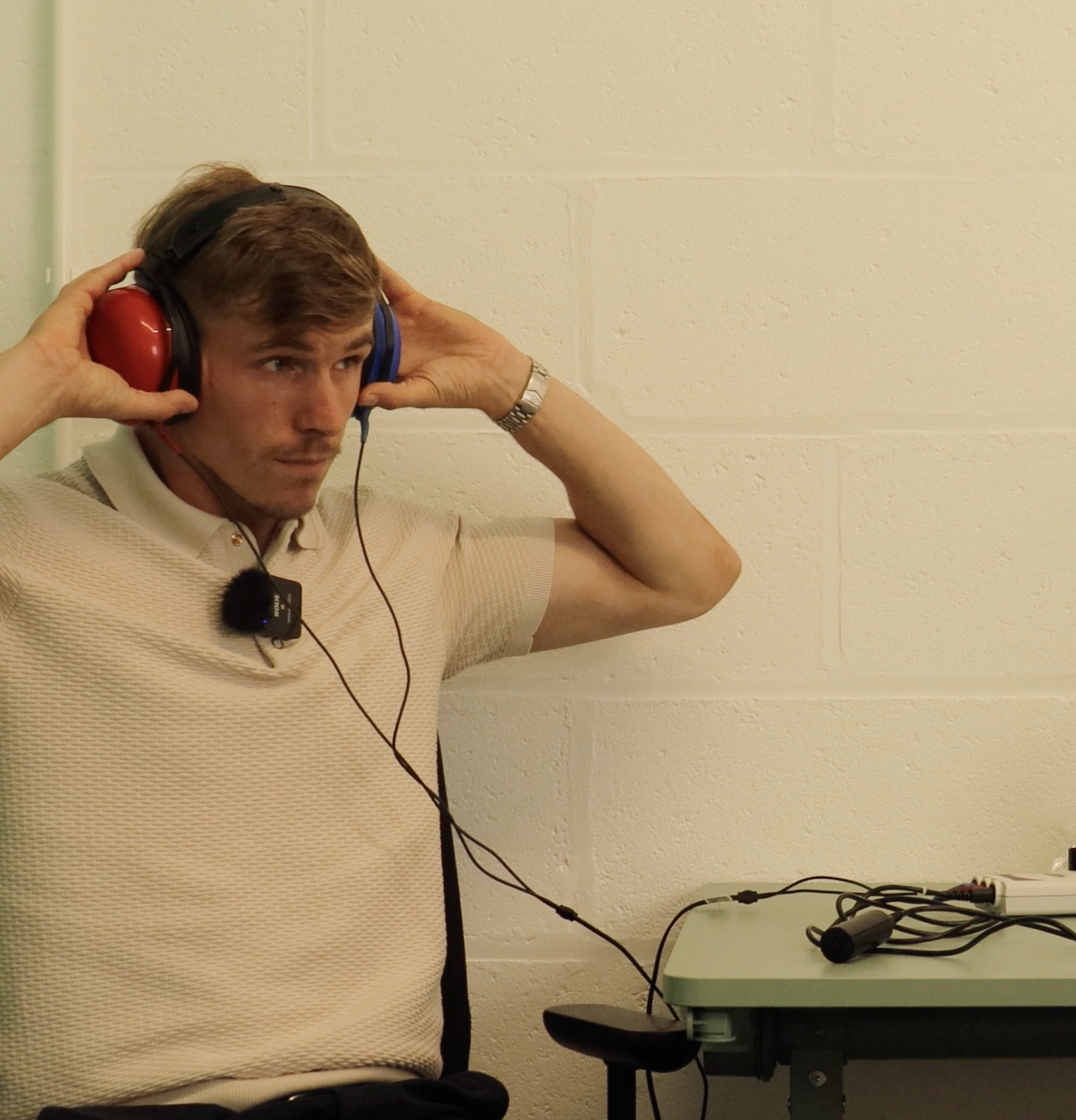
Audiometry testing is a standardised form of Occupational Health Surveillance designed to assess an individual’s hearing ability across a range of specific frequencies. The most common method used in occupational settings is pure-tone audiometry, which measures hearing thresholds at different sound levels.
Occupational audiometry typically includes:
- A baseline audiogram for new employees exposed to noise
- Ongoing monitoring to detect threshold shifts
- Comparison testing to identify early signs of noise induced hearing loss
The purpose of Audiometry Health Surveillance is to detect early signs of Noise Induced Hearing Loss (NIHL) before further deterioration occurs. By identifying subtle changes in employees’ hearing, employers can take proactive measures to strengthen hearing protection in the workplace, review exposure controls, and prevent permanent damage.
Early detection safeguards hearing health and contributes to safer, healthier workplaces.
Hearing Conservation & Legal Compliance
Noise exposure levels of 85 dB(A) are a critical benchmark in UK workplace health and safety. Sustained exposure above this threshold significantly increases the risk of permanent hearing damage. Once the delicate sensory cells within the inner ear are damaged, they do not regenerate – meaning any resulting hearing loss is irreversible.
Under the Control of Noise at Work Regulations 2005, employers are legally required to take action at defined exposure levels:
- Lower Exposure Action Value: 80 dB(A) daily/weekly average (135 dB(C) peak)
- Upper Exposure Action Value: 85 dB(A) daily/weekly average (137 dB(C) peak)
- Exposure Limit Value: 87 dB(A) daily/weekly average (140 dB(C) peak)
At or above 85 dB(A), employers must implement mandatory control measures, including the provision of appropriate hearing protection, designation of hearing protection zones, and structured health surveillance such as Occupational Audiometry.
Employers must:
- Conduct a risk assessment for workplace noise
- Provide appropriate hearing protection
- Implement exposure control measures
- Provide regular hearing surveillance where required
- Maintain health records
By integrating Occupational Audiometry into a formal hearing conservation programme, employers can detect early signs of induced hearing loss (NIHL), prevent further deterioration, and demonstrate proactive compliance with UK regulations.
Our Occupational Audiometry Services at Flex Health
At Flex Health, we deliver Health Surveillance Audiometry (Hearing) Testing as part of a comprehensive Occupational Health Surveillance Programme.
Our Audiometry Health Surveillance supports employers in meeting these legal obligations by delivering:
- Accredited audiometric testing
- Calibrated equipment maintained to required standards
- Structured reporting
- Clear documentation for compliance audits
- Advice on hearing conservation strategies
We work closely with employers to ensure Occupational Health Services remain aligned with regulatory expectations and safety executive guidance.
On-Site Mobile Audiometric Testing
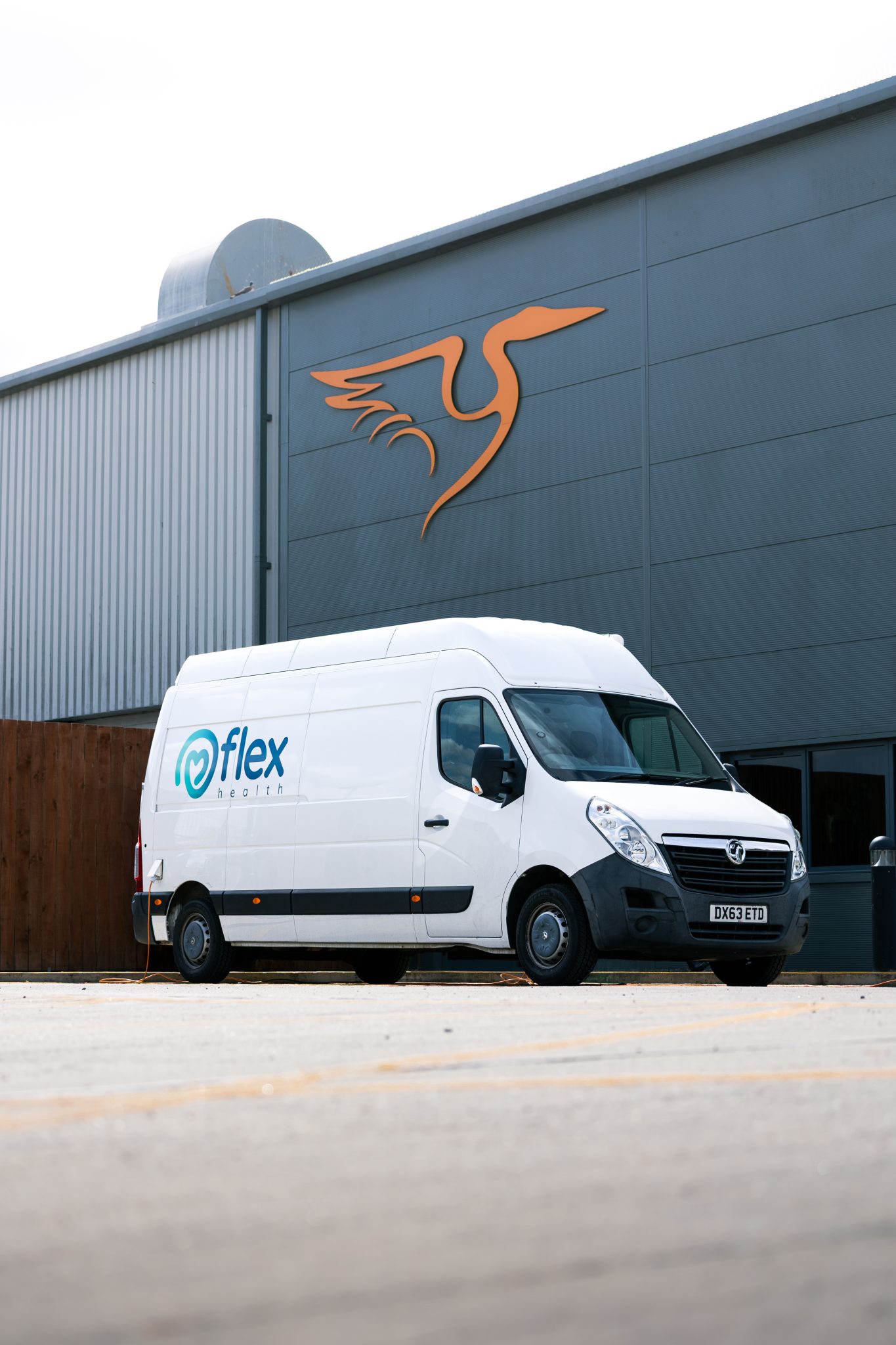
Our Audiometric Testing mobile service allows us to deliver workplace audiometry directly to your site. Using specialist equipment and mobile quiet rooms or soundproof booth environments, we ensure accurate and reliable results with minimal disruption to operations.
This is particularly valuable for:
- Large workforces
- Multi-site businesses
- High risk environments
- Workers in remote or industrial locations
Clinic-Based Testing
We also provide hearing tests for work within our clinic settings, offering flexibility depending on workforce size and operational needs.
Calibrated Equipment & Experienced Staff
All Audiometry Testing is conducted using calibrated equipment tested in accordance with UK standards. Our testing is delivered by trained occupational health professionals with expertise in Occupational Audiometry and Hearing Surveillance.
What Our Reports Include
Following testing, employers receive a structured report that includes:
- Baseline audiogram results
- Identification of threshold shifts
- Early signs of potential hearing damage
- Recommendations regarding appropriate hearing protection
- Advice on exposure control measures
- Guidance on suitability for continued noise exposure where relevant
Where indicated, we also provide recommendations on retesting schedules and further clinical evaluation in line with occupational health best practice.
Our Testing Process - What to Expect
A typical hearing test at work UK setting takes approximately 10–20 minutes per employee.
Before the Test
Where possible, employees are advised to avoid significant noise exposure prior to testing to ensure accurate results. Clear pre-test instructions are provided in advance.
During the Test
- Testing is conducted in an appropriately controlled quiet environment
- Headphones present tones at specific frequencies
- The employee responds when sounds are heard
- Both ears are assessed across the relevant frequency range
The process is straightforward, confidential, and non-invasive.
After the Test
Results are reviewed and clearly explained. Where early signs of hearing loss are identified, we provide practical recommendations to help prevent further deterioration. If further assessment is indicated, we advise on appropriate next steps in line with occupational health best practice.

Frequently Asked Questions
What is Occupational Audiometry?
Occupational audiometry is structured hearing surveillance used to monitor employees exposed to noise and detect early signs of noise induced hearing loss.
Is Audiometry Testing a legal requirement in the UK?
Yes. Under the Noise at Work Regulations, employers must provide hearing surveillance where employees are exposed to high noise levels.
How often should hearing tests for work be carried out?
Typically annually for those regularly exposed to noise, with baseline testing on recruitment.
Can testing be delivered on-site?
Yes. Our audiometric testing mobile service allows us to deliver workplace audiometry nationwide.
What happens if hearing loss is detected?
We provide recommendations regarding hearing protection, exposure control, and further evaluation where required.
How long does each hearing test take?
Approximately 10–20 minutes per employee.
Is the testing confidential?
Yes. Individual results are confidential, with structured reports provided to employers.
Who conducts the testing?
Testing is delivered by trained occupational health professionals, with medical oversight available where required.
Supporting Employers Across the UK
Flex Health provides Occupational Audiometry across the UK as part of our broader Occupational Health Services. We support businesses in:
- Managing noise exposure risk
- Protecting employees hearing
- Ensuring compliance
- Maintaining accurate health surveillance records
- Creating safer, healthier workplaces
Our experienced staff combine clinical expertise with practical workplace insight to deliver reliable, professional, and compliance-led audiometry testing.
Book Occupational Audiometry Testing with Flex Health
If your workforce is exposed to loud noise or operates in high noise environments, Occupational Audiometry is essential to protect hearing health and meet legal obligations.
Contact our Occupational Health Team to discuss your Audiometric Testing requirements.
By choosing to partner with Flex Health for your Occupational Health needs, you’re opting for a partner committed to offering in-person expertise, practical solutions, and ongoing support for your workforce.
