
January is one of the busiest months of the year for gyms across the UK. Memberships surge, routines restart, and motivation is high. But alongside this renewed enthusiasm comes a predictable rise in gym injuries; something physiotherapists see every single year.
After weeks or months of reduced activity, many people return to exercise with ambitious goals and high intensity. When enthusiasm outpaces preparation, however, the body can struggle to cope. At Flex Health, our sports injury physiotherapy teams in Hull, Brough, and Sheffield see a clear seasonal increase in common gym injuries in January, ranging from muscle strains and knee pain to shoulder and tendon problems.
The key point? Exercise itself is not the problem. Most January gym injuries occur because the body is exposed to sudden increases in load before it has had time to adapt. The good news is that most injuries are preventable, and when problems do arise, early treatment makes all the difference.
In this blog, we explain why January sees a spike in gym injuries, the most common problems we treat, how to reduce your risk, and when seeing a physiotherapist is the right next step.
Why January Sees a Spike in Gym Injuries
January creates a perfect storm for injury risk. Motivation is high, gyms are busy, and many people begin a new workout routine after a prolonged period of inactivity.
It’s easy to overlook how quickly the body deconditions when regular exercise drops off. Physical capacity doesn’t stay static; if it isn’t maintained, strength, joint tolerance, and tissue resilience gradually reduce over time. This process becomes more noticeable after the age of 35, and as we get older, but it can affect anyone after periods of inactivity or a sedentary lifestyle.
However, this doesn’t mean exercise is unsafe. It means the body is often not conditioned for sudden increases in training intensity or volume, and injury risk rises.
Common January Risk Factors:
- Doing too much too soon
- Lifting too much weight too early
- Sudden increases in running or cardio volume
- Training through pain or excessive fatigue
- Poor technique due to rushing or overcrowded gyms
- Following intense online workouts without progression
- Lack of gradual build-up
- Poor recovery awareness
- Cold weather increasing joint stiffness and muscle tightness
Importantly, these injuries are rarely caused by a single ‘bad rep.’ They develop when repeated stress outpaces the body’s ability to adapt. Understanding why injuries happen allows you to train consistently and safely, rather than burning out or breaking down in the first few weeks of the year.
Pain vs Injury: What’s Normal and What’s Not?
Muscle soreness, known as delayed onset muscle soreness (DOMS), is normal when returning to exercise and can last up to 72 hours. Many people stop training too early because they misinterpret soreness as damage. Others push through true pain, which can lead to injury.
Sharp pain, swelling, instability, or pain that worsens with activity is not normal and should not be ignored. Learning to distinguish between normal training response and injury is essential for safe progress.
The Most Common Gym Injuries in January
Here are some of the most frequent issues we treat at the start of the New Year.
1. Lower Back Pain and Strains
Lower back pain is one of the most common gym injuries we see in January. In most cases, it doesn’t occur because a movement is ‘wrong,’ but because the spine is exposed to more load or repetition than it is currently prepared to tolerate; particularly when fatigue sets in.
This often happens when people return to training at a level that exceeds their recent activity history.
Common Contributing Factors:
- Rapid increases in training load or volume
- Lifting tasks performed beyond current strength capacity
- Repeated spinal loading without adequate adaptation
- Training under fatigue without sufficient recovery
- Sudden return to compound lifts after time away from the gym
Symptoms May Include:
- Localised lower back pain
- Stiffness and reduced range of motion
- Muscle spasm or tightness
- Pain during bending, lifting, or prolonged sitting
In many cases, back pain reflects a temporary overload of tissues rather than structural damage.
Injury Prevention Tips:
- Progress training volume and intensity gradually
- Allow recovery time between sessions
- Focus on controlled, repeatable movement rather than chasing weight
- Build overall strength and capacity consistently
When to See a Physiotherapist?
If pain persists beyond a few days, worsens with activity, radiates into the leg, or interferes with daily life, early physiotherapy can help prevent longer-term problems.
2. Rotator Cuff Injuries and Shoulder Pain
The shoulder joint is designed for mobility, which makes it more sensitive to rapid increases in training demand. Rotator cuff pain commonly develops when the shoulder is exposed to repeated loading before the supporting muscles and tendons have had time to adapt.
Common Contributing Factors:
- Sudden increases in overhead or pressing exercises
- Training volume that exceeds current shoulder capacity
- Repeated loading without adequate rest
- Imbalances between pushing and pulling exercises
Symptoms May Include:
- Shoulder pain during or after exercise
- Weakness or reduced control when lifting the arm
- Night pain or discomfort when lying on the shoulder
- Reduced shoulder range of motion
Injury Prevention Tips:
- Gradually build shoulder training volume
- Balance upper-body pushing and pulling movements
- Strengthen stabilising muscles alongside larger muscle groups
- Allow sufficient recovery between sessions
When to See a Physiotherapist?
Persistent pain or weakness may indicate tendon irritation or rotator cuff involvement, and could benefit from early physiotherapy assessment.
3. Knee Pain and Knee Injuries
Knee pain is one of the most common reasons people seek help. In most cases, it reflects a sudden change in training load rather than a single traumatic injury.
The knee joint responds best to gradual increases in strength and impact exposure. When this progression is rushed, pain can develop even in the absence of structural damage.
Common Contributing Factors:
- Rapid increases in squatting, lunging, or running volume
- Sudden introduction of high-impact activities
- Training loads that exceed current lower-limb capacity
- Reduced movement control as fatigue increases
Conditions may include patellofemoral pain syndrome, tendon irritation, or general knee joint overload.
Symptoms May Include:
- Pain around or behind the kneecap
- Swelling or stiffness
- Clicking or feelings of instability
- Pain when using stairs or during prolonged sitting
Building strength around the hips and thighs and progressing load gradually are key to protecting the knees.
When to See a Physiotherapist?
If swelling, instability, or pain persists, sports physiotherapy can effectively address underlying movement patterns, and help in preventing further damage and injury.
4. Achilles Tendon Pain
The Achilles tendon connects the calf muscles to the heel bone and is particularly sensitive to sudden changes in load. Tendon pain often develops when training volume or intensity increases faster than the tendon can adapt.
Common Contributing Factors:
- Sudden increases in running distance or frequency
- Introducing jumping or plyometric exercises too quickly
- High volumes of calf loading without adequate recovery
- Persistent training through stiffness or discomfort
Early treatment is important to reduce the risk of longer-term tendon problems or stress-related bone injuries.
5. Wrist and Elbow Strains
Wrist and elbow pain often develops when upper-limb loading increases rapidly. These joints and their supporting tendons require gradual exposure to load, particularly after a period of reduced training.
Common Contributing Factors:
- Sudden increases in gripping or pulling exercises
- Rapid progression in upper-body training volume
- Repetitive loading without sufficient rest
- Fatigue reducing movement control
Pain in these areas commonly reflects overuse rather than acute injury and responds well to early load management and rehabilitation.
Why This Matters
Across all of these injuries, the underlying theme is the same: the body needs time to adapt to physical stress. Movements themselves are rarely the problem; rather, it’s how quickly and how often they are introduced.
How to Prevent Gym Injuries This January
January is the perfect time to rebuild fitness habits, but it’s also when injuries are most likely to occur if the body is pushed too hard, too quickly. The good news is that most gym injuries are preventable with the right approach.
Here are some simple, effective strategies to help you prevent injury and build fitness safely:
- Start Slowly and Progress Gradually: Your body needs time to adapt. Follow a steady pace, increase training volume gradually, and include rest days.
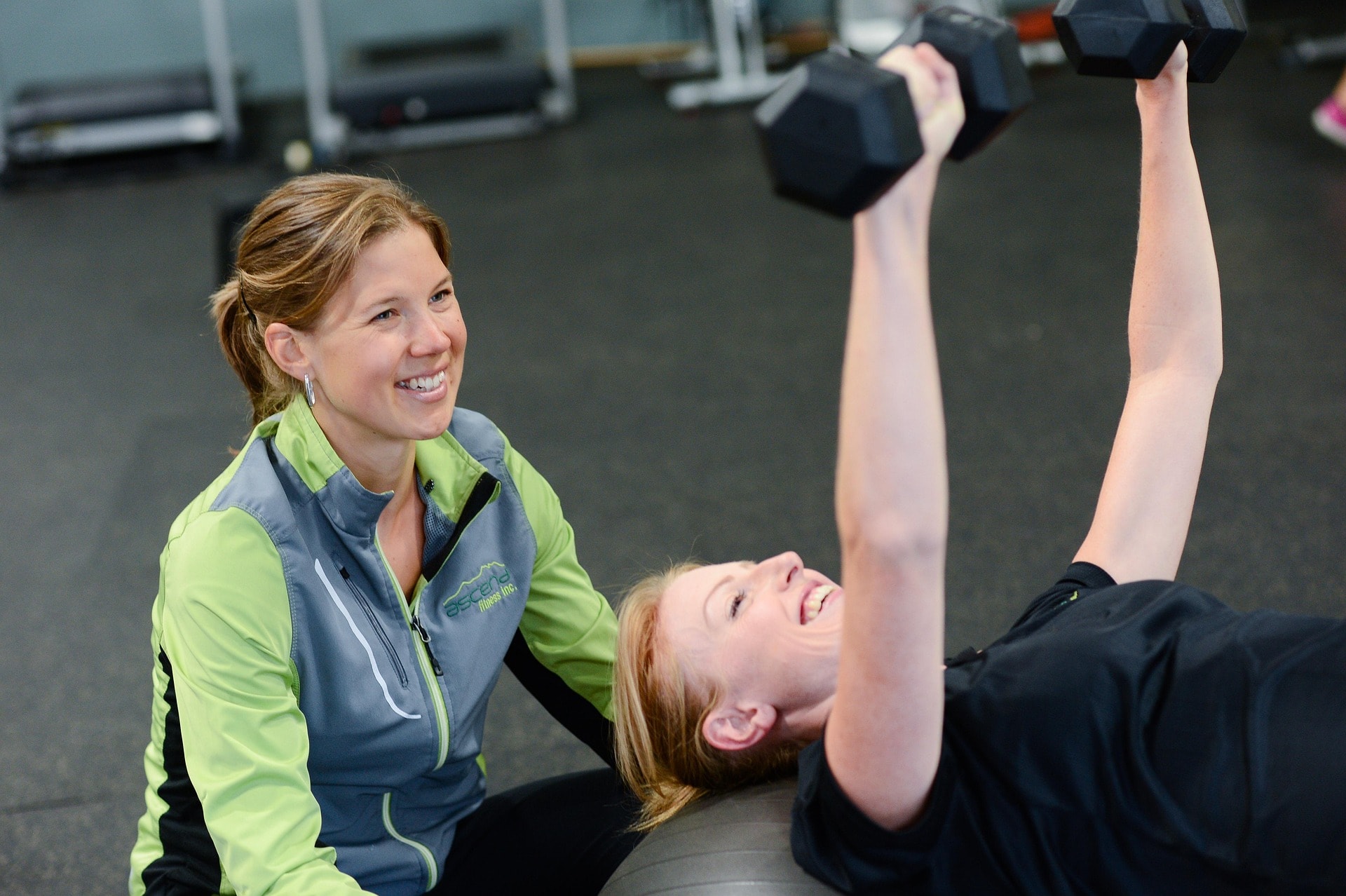
- Learn Proper Technique: A few sessions with a personal trainer can prevent months of injury. Good form protects your joints, muscles, and connective tissue.
- Warm Up Properly: A warm-up prepares muscles and joints for load. A 5-10 minute light cardio, some dynamic stretches and activation of key muscle groups is all it takes.
- Listen to Your Body: Muscle fatigue is normal. Sharp pain is not. Pain is a signal, and ignoring it increases injury risk.
- Cool Down and Stretch: This step is often overlooked but is crucial in reducing stiffness and supporting recovery, especially in cold weather. So don’t skip it!
- Prioritise recovery: Rest days allow adaptation – they are not lost time.
By focusing on gradual progression, good technique, and listening to your body, you can protect your joints and muscles, reduce injury risk, and keep your fitness journey on track.
What to Do If You Get a Gym Injury
If you pick up a gym injury, early action makes all the difference. Addressing pain or discomfort promptly helps reduce inflammation, supports faster healing, and lowers the risk of a minor issue becoming a longer-term problem.
Immediate Care
In the first few days after an injury, it’s important to protect the affected area while allowing the body to begin the healing process. This typically includes resting from aggravating activities, applying ice to help manage swelling during the first 48–72 hours, using gentle compression if appropriate, and elevating the area if swelling is present.
Movement Still Matters
While rest is important in the early stages of a gym injury, complete inactivity can actually delay recovery. Pain does not automatically mean you should stop exercising altogether. In fact, exercise – when appropriately modified – is consistently shown to reduce pain, improve recovery, and support long-term joint, muscle, and spine health.
In many cases, gentle, pain-free movement helps maintain circulation, prevents stiffness, and supports tissue healing. The key is not to push through sharp pain or swelling, but to stay within comfortable limits and adjust the type, intensity, or volume of activity rather than avoiding movement entirely.
Most people who feel they ‘can’t exercise because it hurts’ simply haven’t been shown the right level or type of exercise for their current condition. More often than not, the solution is modification – not avoidance. This might mean reducing load, slowing the pace, changing the movement, or temporarily focusing on different muscle groups while the affected area recovers.
When to See a Physiotherapist
If symptoms don’t begin to settle, or if pain worsens despite sensible modification, seeking professional advice from a sports injury physiotherapist early can help guide your recovery, reduce setbacks, and ensure you’re exercising safely and effectively. They can accurately assess the injury, identify contributing factors such as poor technique or muscle weakness and imbalances, and advise you what’s safe to do, how to modify your training, and how to return to the gym without risking further injury.
Top Tips for an Injury-Free Gym Journey
Avoiding gym injuries in January isn’t about avoiding exercise – it’s about approaching it in a way your body can adapt to. Most injuries are predictable and preventable, and they tend to stem from poor progression rather than poor exercise choice.
Don’t Underestimate the Impact of Sitting
A hidden risk factor many people overlook is how much time they spend sitting. Long periods of inactivity – whether at a desk, in the car, or on the sofa – can increase injury risk and counteract the benefits of gym training. Crucially, this risk exists independently of how active you are, meaning even regular gym-goers are affected.
A simple but effective rule is to move every 20–30 minutes. Even brief movement breaks help maintain joint health, circulation, and tissue resilience, making your body better prepared for training sessions.
Return to Exercise Gradually
If you’re new to exercise or returning after a break, your priority should be rebuilding tolerance, not chasing intensity.
For beginners or those returning after time off:
- Start with walking or low-impact cardio
- Build duration first
- Add intensity gradually over weeks, not days
For runners:
- Follow structured plans such as Couch to 5K
- Avoid sudden mileage increases
- Limit running frequency early on to allow recovery
For strength training:
- You don’t need heavy weights to make progress
- Bodyweight and light resistance are highly effective
- Focus on major muscle groups
- Aim for 2–3 sessions per week
- Expect some muscle soreness – this is normal and part of adaptation
Be Cautious with HIIT and Intense Training
High-intensity interval training can be effective, but it’s not always beginner-friendly. Poorly executed HIIT is a common trigger for January gym injuries.
If you’re including high-intensity sessions:
- Use proper rest intervals
- Keep volume controlled
- Be honest about effort levels
- Allow adequate recovery between sessions
Intensity should support progress – not overwhelm your body.
Address the Psychological Barriers Too
Many setbacks aren’t physical; they’re behavioural. Common barriers include:
- Lack of education around safe progression
- The ‘I don’t have time’ mindset
- Fear of pain or re-injury
With any exercise, consistency matters far more than motivation. Finding enjoyment, setting realistic goals, and focusing on small wins all help build habits that last beyond January. Progress that feels sustainable is far less likely to end in injury.
Progression Is the Key to Injury-Free Training
The reality is that the most common gym injuries in January don’t happen because exercise is harmful. They happen because people return too quickly, train too hard, and underestimate how much time the body needs to adapt.
Aim for training that is:
- Challenging, but not painful
- Structured, but flexible
- Sustainable, not extreme
And remember that fitness is a marathon, not a sprint. Staying injury-free is what keeps you moving forward.
How Flex Health Can Help with Gym Injuries
At Flex Health, we support people at every stage of injury recovery, from acute pain management to long-term rehabilitation and safe return to training. Our experienced physiotherapists provide expert sports injury treatment across our clinics in Yorkshire helping you recover efficiently and reduce the risk of further injury.
Expert Assessment
Every recovery starts with a thorough assessment. Rather than treating symptoms alone, our physiotherapists take the time to understand how the injury occurred, identify contributing factors such as poor technique, muscle imbalances, or training load, and determine what your body needs to heal properly. This ensures treatment is targeted, effective, and relevant to your fitness goals.
Personalised Treatment
Your rehabilitation programme is tailored to you and may include a combination of:
- Hands-On Physiotherapy: to reduce pain, restore movement, and support tissue healing
- Pain-Relief Strategies: to manage inflammation and discomfort safely
- Progressive Strength Training: to rebuild muscle capacity and joint stability
- Technique Correction and Movement Retraining: to address the root cause of the injury
Your treatment evolves as you recover, ensuring you continue to progress without overloading vulnerable areas.
Safe Return to Exercise
Getting back to the gym is about more than simply being pain-free. We guide you through a structured return-to-exercise plan, gradually rebuilding your confidence, strength, and tolerance while addressing risk factors that could lead to re-injury. Our goal is not only to help you return to training – but to do so stronger, safer, and more resilient than before.
Get in Touch Today
January gym injuries are common, but they don’t have to derail your fitness journey. With proper preparation, good form, and early intervention, you can train safely and consistently.
If aches, pains, or minor injuries are limiting your progress, sports injury physiotherapy can help you recover properly and regain your confidence.
Book an appointment online at one of our clinics, or contact our team for expert advice on gym injury recovery and prevention.